


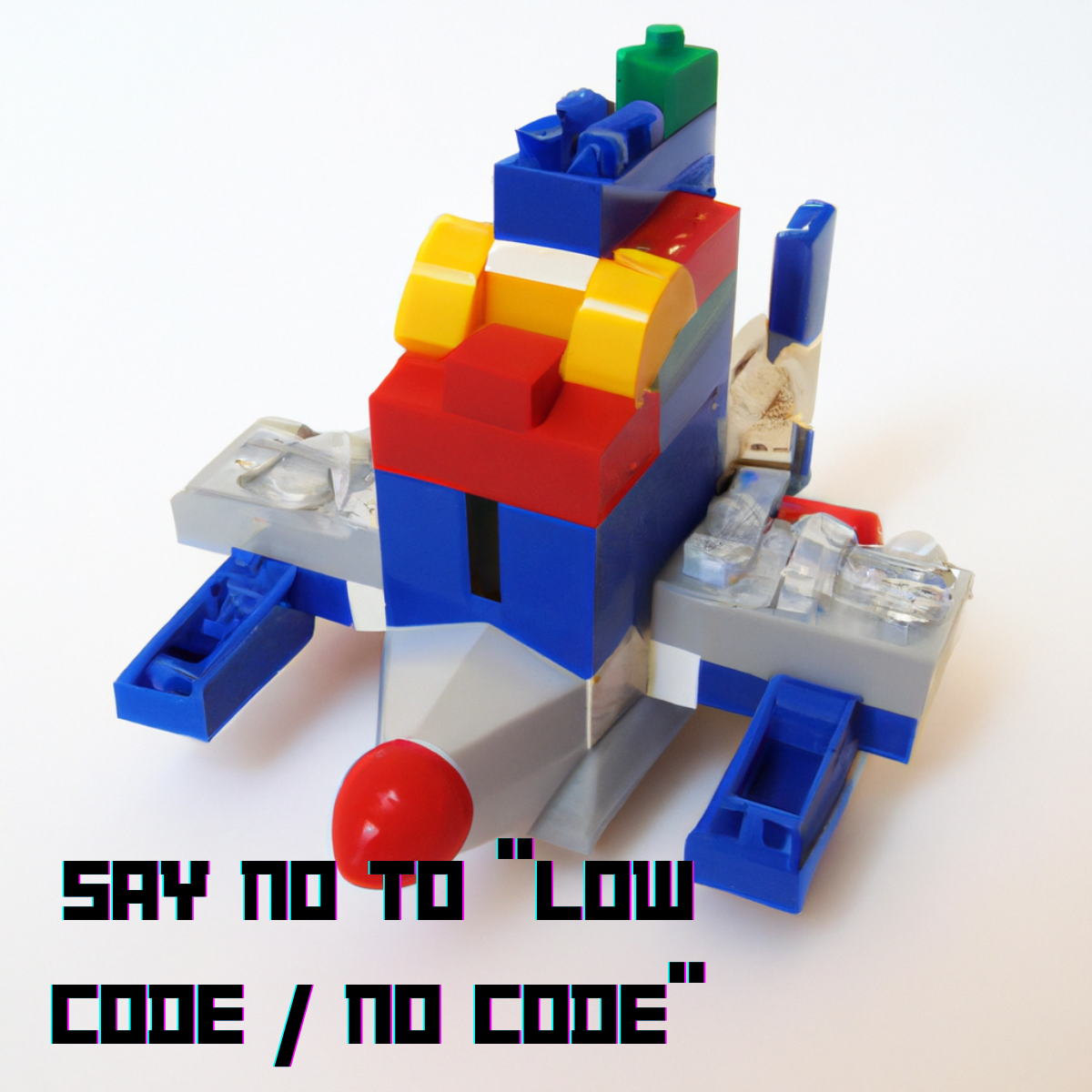
I’ve been observing the rising trend of Low Code/No Code solutions in software development. While these tools hold promise for certain applications, I’ve grown increasingly cautious about their limitations, especially for anything beyond the simplest engineering tasks.
Low Code/No Code platforms often oversimplify the engineering process, omitting critical components that are fundamental to robust software development. These missing elements often include:
* Version control 🙀
* Feature flags
* Staging environments
* Testing workflows
* Observability 😠
This approach also suffers from what is known as “The Last 10% Trap”. Here, a portion of your project requirements becomes challenging or impossible to fulfill, leading to time-consuming and often convoluted workarounds.
Moreover, a pressing concern arises when your project outgrows the Low Code/No Code environment. Transitioning to a more sophisticated solution can be fraught with difficulties, lacking a clear or efficient migration path.
As engineering managers and individual contributors, it’s crucial to weigh these factors when considering Low Code/No Code tools.