

A CMU professor of mine once asked our class: “Is McDonald’s considered ‘quality food’?” 🍔
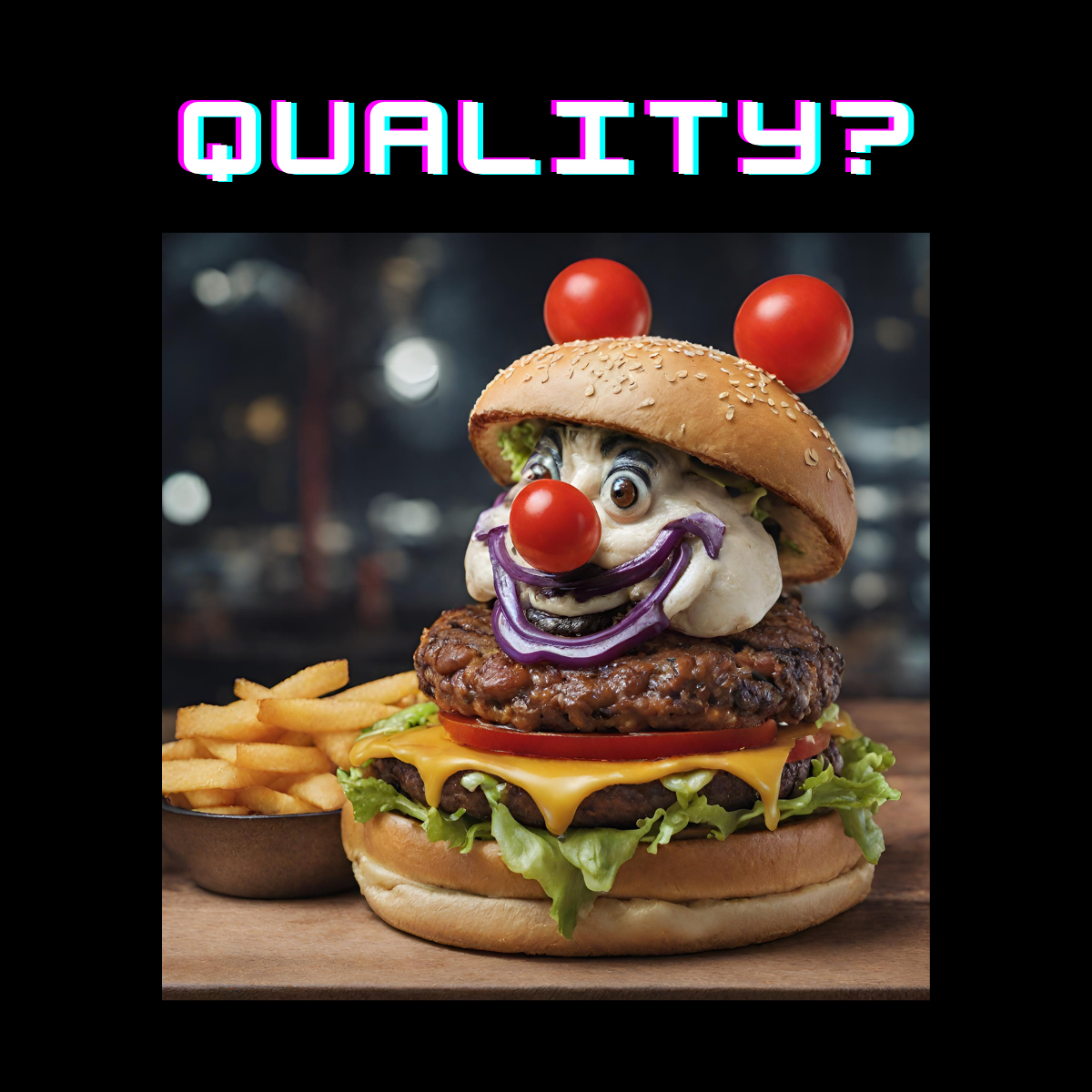
Now, before we dive into the great burger debate, let’s unpack what he really meant by ‘quality.’
Quality, in his definition, is whether a product or service meets the expectations and specifications set forth. It’s not about how luxurious or sophisticated the specs are, but whether it hits the mark. 🎯
In today’s fast-paced, ever-evolving market, our customers’ expectations are continually shifting, expecting nothing but improvement and innovation from our products and services. 📈 To meet these expectations, change and iteration are not just necessary; they’re imperative.
This brings us to some critical realizations:
👉 Quality goes well beyond avoiding bugs or outages.
👉 Quality cannot exist without the ability to rapidly iterate and improve your product.
Now, speed doesn’t mean recklessness. Moving fast and breaking things isn’t the goal here. What’s crucial is measuring and mastering the art of speed.
Applying this to software engineering and borrowing from the Flow Framework we can focus on two vital metrics:
1. **Flow Velocity:** How much can you ship in a given period? (Ship - not do)
2. **Flow Time:** How fast can you ship (from start to finish)?
While many tend to put the spotlight on Flow Velocity, let’s not underestimate the power of Flow Time. The shorter the Flow Time, the more experiments we can run, accelerating our learning curve and creating a virtuous cycle of improvement and innovation. 🔄
Let’s embrace this mindset and strive for speed without compromising quality. Because in the end, speed and quality are not at odds; they’re on the same team, driving us toward excellence.